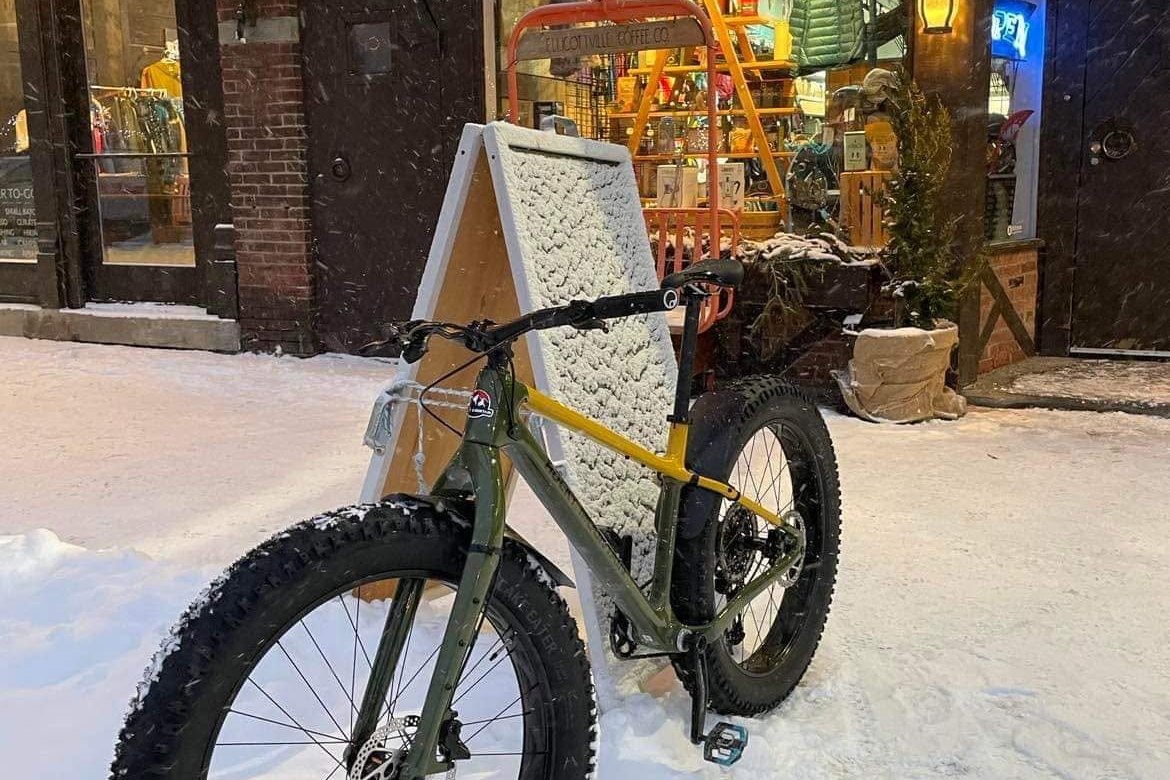
On a cold, clear morning after the groomer has passed, the singletrack above Ellicottville turns into something special: a firm white ribbon through silent hardwoods, no bugs, no mud, and hardly another soul. Fat biking has quietly become one of the best-kept winter secrets in a town famous for its ski lifts.
Where to ride
McCarty Hill State Forest, the same forest that anchors the summer Epic trail network, is one of the region's most popular groomed fat bike zones. The Western New York Mountain Biking Association has built a real winter grooming program across the region, and the McCarty Hill trails above Ellicottville are groomed regularly when the snow cooperates. HoliMont's trail network ties directly into the forest, so the terrain will feel familiar if you ride here in summer.
Western New York more broadly has become a fat biking hotbed. Neighboring Chautauqua County alone maintains more than 30 miles of groomed fat bike trails, so a snowy week here can turn into a real riding trip.
The bike matters
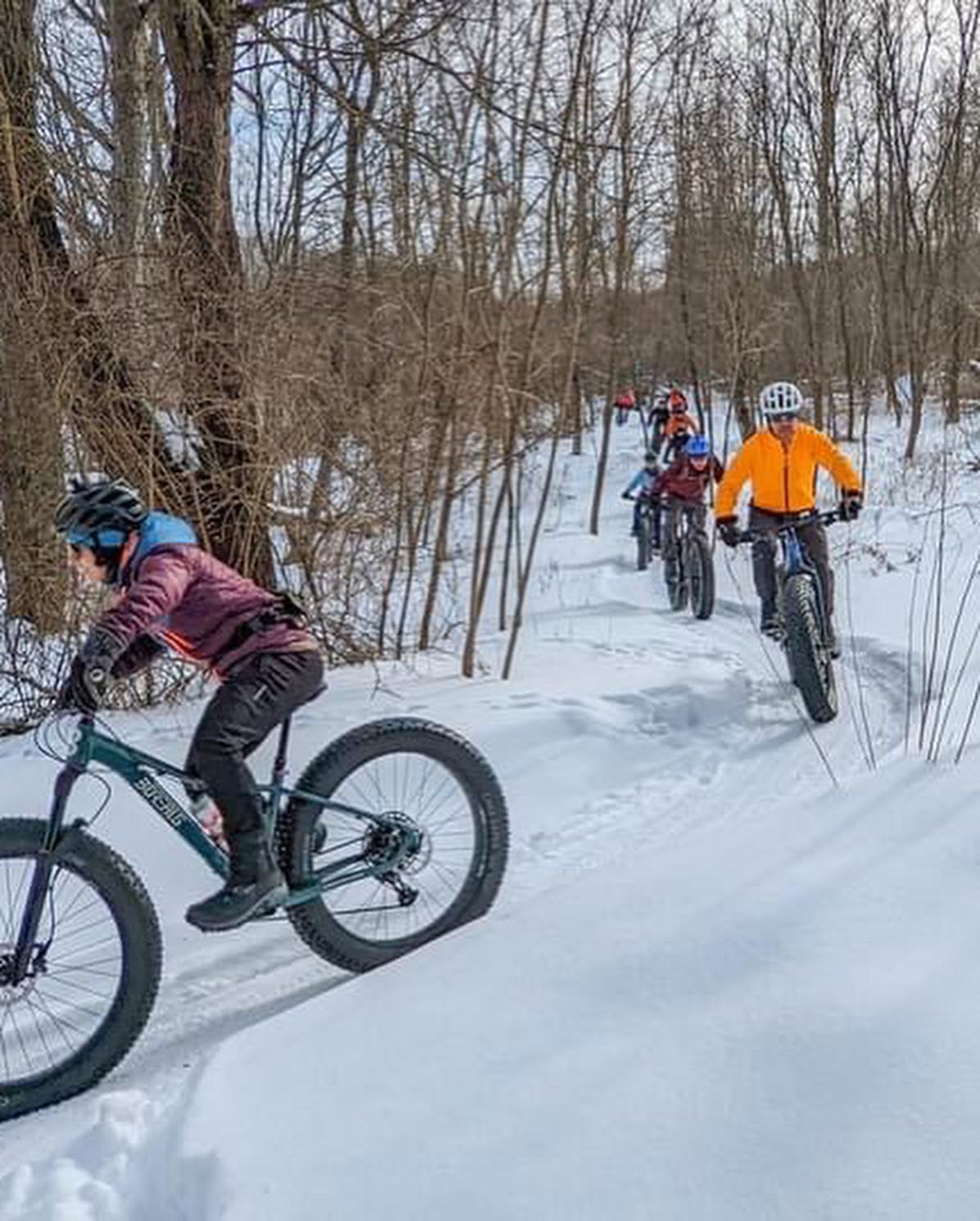
This is the one sport where your regular bike will not do. A fat bike runs tires roughly 4 inches wide or more at very low pressure, which lets it float on packed snow instead of knifing through it. A standard mountain bike tire sinks, cuts a rut, and wrecks the groomed surface for everyone behind you. If you do not own one, contact HoliMont about current rental options before you drive.
Tire pressure is everything. Most riders run single-digit PSI in the snow. Start around 8 and drop until the bike stops breaking through the crust. Soft tires float; hard tires trench.
Winter trail etiquette
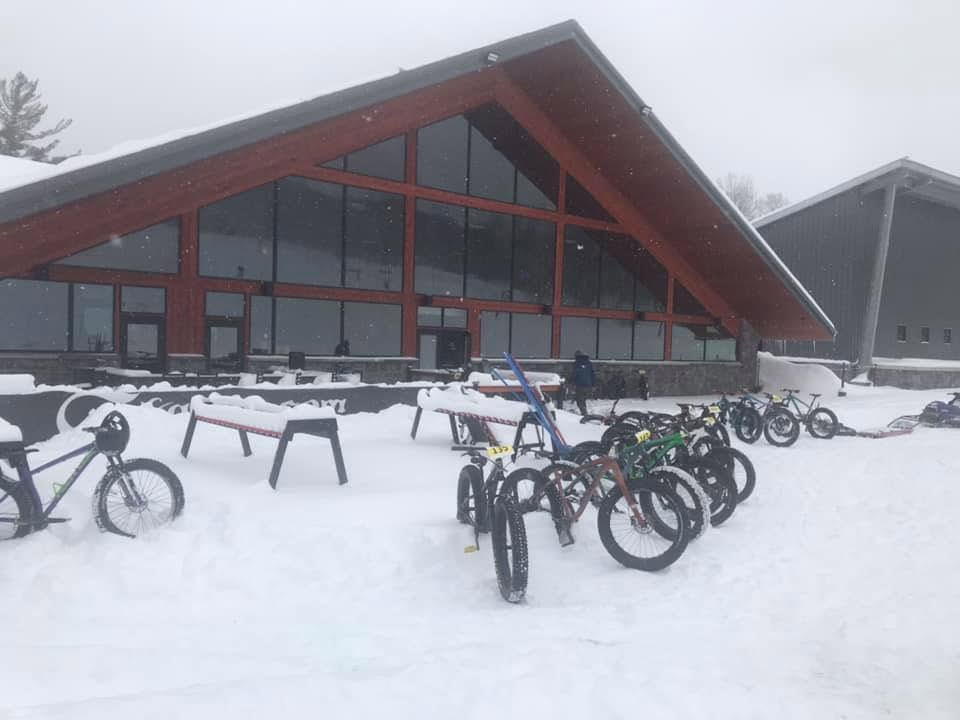
- Ride only when it is firm. If you are leaving a rut deeper than about an inch, the snow is too soft. Come back after a refreeze or a grooming pass.
- Stay off the ski tracks. Classic cross-country tracks take hours to set. Ride the packed center or the designated bike line.
- Yield generously. You will share these corridors with skiers and snowshoers who cannot hear you coming in the muffled quiet.
- Check before you drive. Grooming depends on volunteers and weather. WNYMBA's channels post current conditions.
What to wear
Dress like a nordic skier, not a downhiller: layers you can shed, because climbing on snow is hot work even at 15 degrees. Flat pedals with winter boots beat clipless shoes for warmth. Pogies, the big handlebar mitts, are the single best upgrade for cold hands.
The trails exist because volunteers groom them. If winter riding becomes your thing, join WNYMBA or throw a few dollars at the grooming program. Small clubs run on exactly that.